Money Matters: Boycotts Might Reshape The American Economy As We Know It
At a football game early in the fall, Allie Cloyd, sophomore environmental studies major, found herself biting her tongue when an acquaintance of hers mentioned she got her shirt from Shein.
“I couldn’t just say oh, I wouldn’t give that company my money if you held me at gunpoint to her face,” she recalled, noting the stark contrast between her moral values and social life at Kansas State University.
For Cloyd, boycotting began with climate advocacy. She swore off fast fashion brands, opted big chain grocery stores for local farmers markets, and made dinners for her roommates using plant-based meat alternatives.
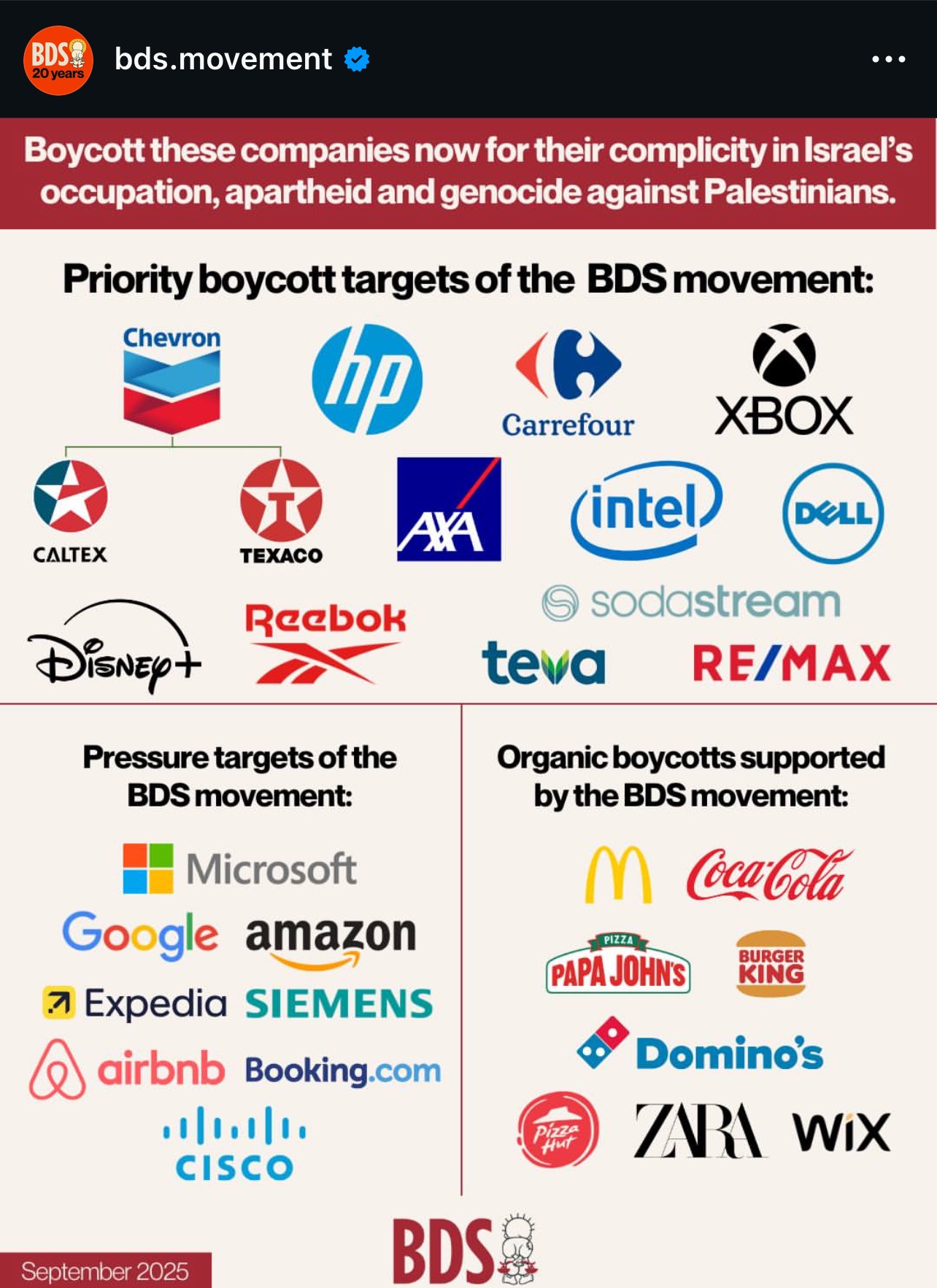
As her knowledge of sustainability grew, she began noticing how ethical environmental practices were interconnected with every other major social justice issue in America and beyond. It occurred to her that her friend’s cute shirt probably started off as “lead-laced fabric in the hands of an underpaid 12-year-old” or that the hummus she liked so much might contain chickpeas harvested on illegal Israeli settlements.
At a time in America’s history where climate justice, economic uncertainty, human rights injustices, and civil and political rights have all entered the fray of online calls to action, Cloyd’s boycotting evolved from making environmentally friendly choices into a vehicle to wield her purchasing power over the social injustices she saw.
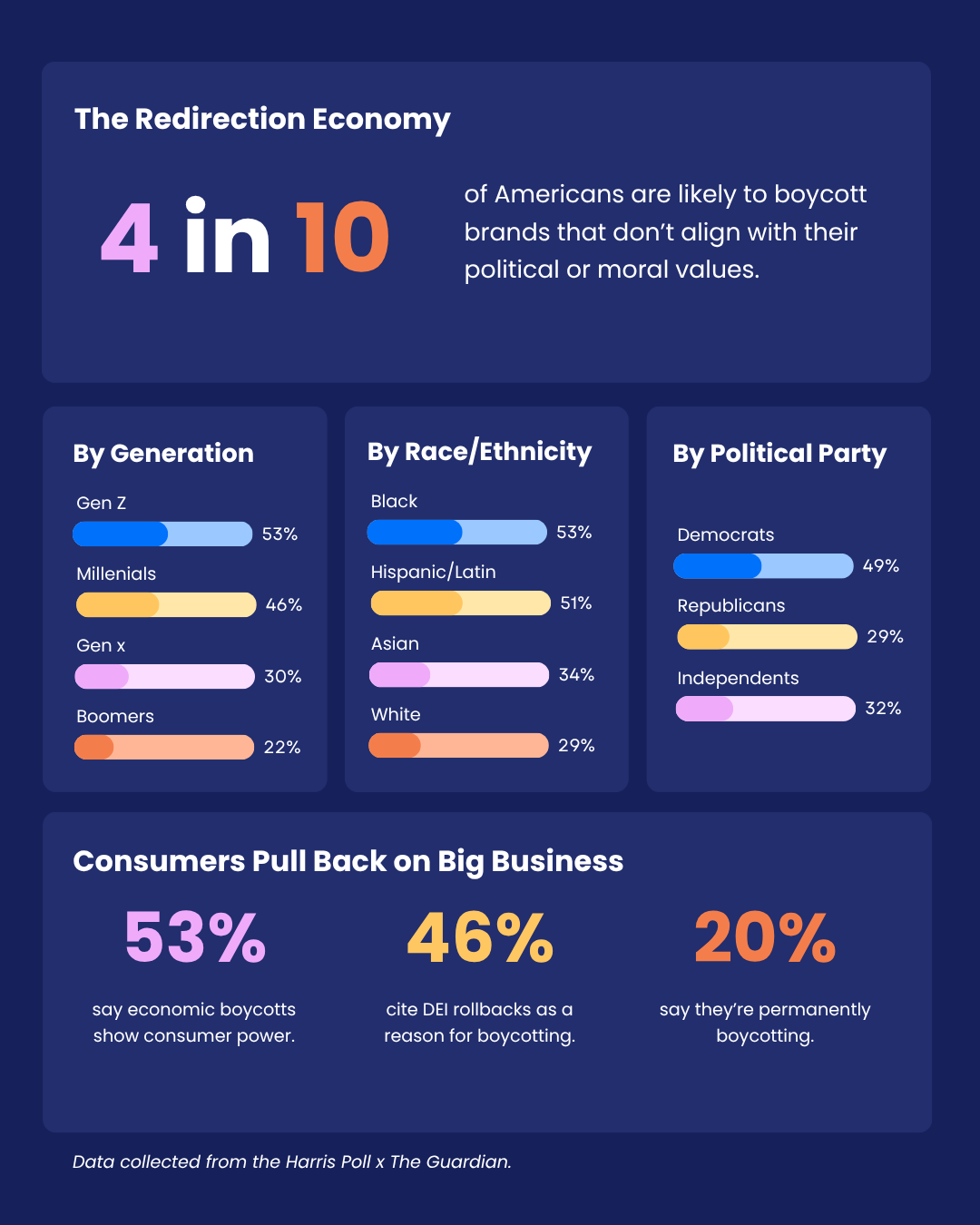
She’s not alone - over a third of Americans are participating in economic boycotts to signal their moral or political values, the Harris Poll finds, with Gen Z and Millennials leading the front at 53% and 46%.
“I truly believe in the importance of voting with our dollars,” says Cloyd. “So I try my best to consider sustainability practices, potential ties to Israel, union busting, conditions for workers, and political ties when I am choosing which brands to support.”
Consumer engagement may seem trivial, but its impact ripples across America’s economic landscape. According to the U.S. Bank, consumer spending drives up to 70% of America’s GDP. As tariffs rise and the possibility of a recession looms, Americans’ financial anxiety merged with their use of boycotts has turned into real-life financial decisions that have loosened big corporations’ grip on America’s economy.
While boycotting has always played a significant role in America’s civil rights history, research has found that consumers today are more likely to permanently cut ties with business even after a demand is met.
“One of the things that’s changed significantly since boycotts in the 1960s is how we engage communities,” says Dr. Sara Rinfret, Director and Professor of Public Administration at Northern Arizona University, who notes that “cancel culture” behaviors in social media discourse have helped mobilize permanent boycotting trends.
With a research background in environmental policy, education, and the role of women in leadership, Rinfret argues that social media awareness campaigns have “revamped grassroots boycotting”, allowing the public to assess big companies or governments failures in real time and hold them accountable more than ever before.
That resonates with Cloyd’s experience using social media to research brands; and notes that digging into a company’s ethical practices, “can sometimes feel exhausting, but it forces you to be more mindful about the purchases you make.”
Gen Z’s lack of engagement with big brands indicates a crucial turning point in the business-consumer relationship. But beyond revenue losses and public image, businesses aren't just losing customers or public approval. They're also losing the next generation of employees.
“The places we take money from in exchange for our labor are equally important,” says Sophia Schmitz, senior English major at University of Wisconsin-Eau Claire.
While working at Target in her earlier college years, Schmitz saw firsthand how the company’s DEI rollbacks and wages were negatively impacting employees.
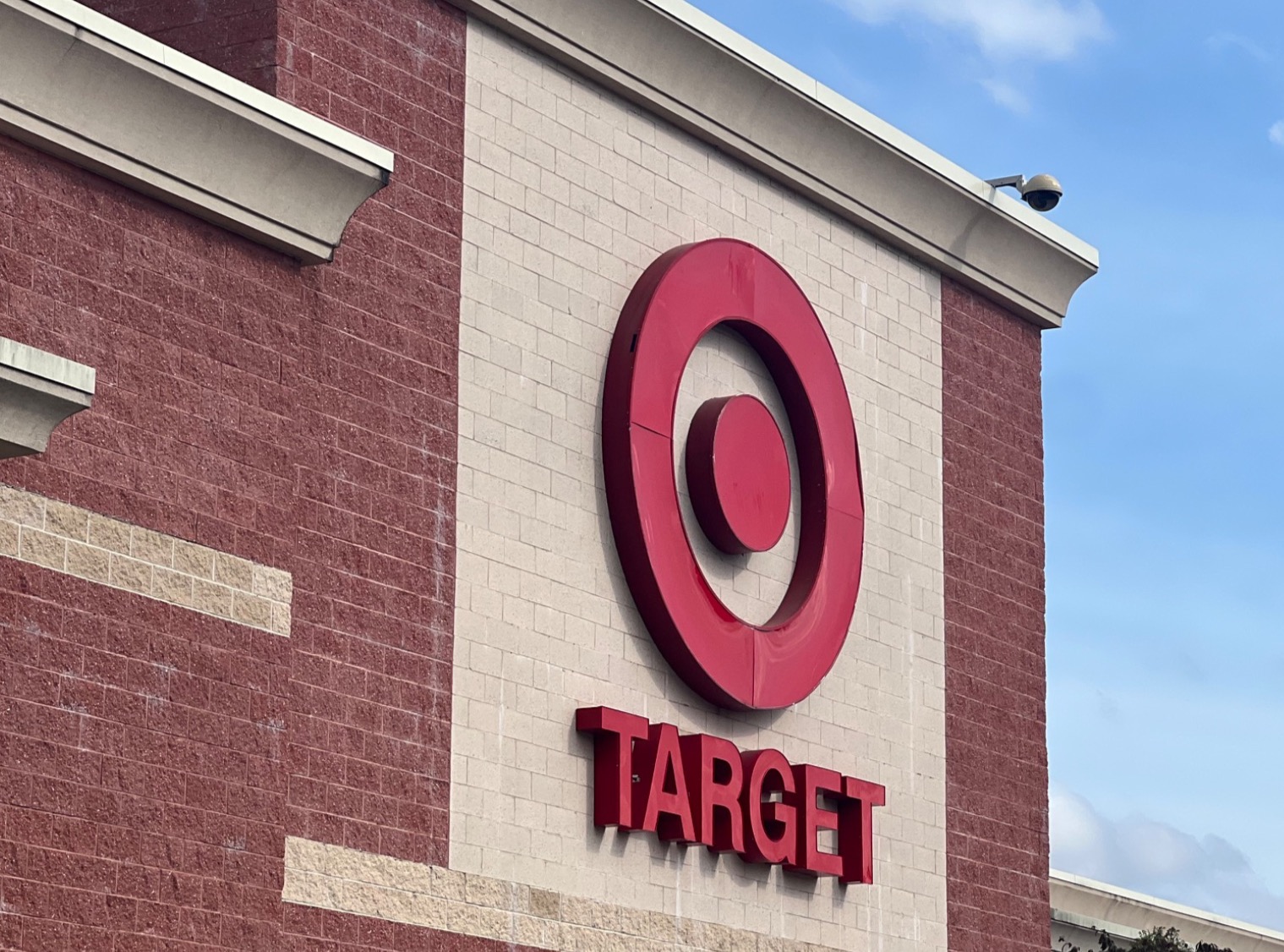
“A company’s values or actions greatly impact my likelihood of working there. I quit Target for this reason because they no longer aligned with my principles, nor do I shop there.” says Schmitz.
In January this year, Target announced they were rolling back their diversity, equity, and inclusion (DEI) programs, which began in response to the murder of George Floyd in Minneapolis near the retail giant’s headquarters in 2020. Meta, Walmart, and McDonald’s also halted their DEI programs, citing pressure from conservative groups and Trump's executive order to dismantle DEI programs in the federal government.
Target’s move prompted nationwide boycotts in protest of the company’s failure to commit to their values, especially considering their specific tribute to George Floyd and the subsequent rise of the Black Lives Matter Movement.
“By working for a place that has any of the same ties that you’d use as a reason for boycotting a business, you’d be going against your boycotting decision,” says Schmitz. “Literally working against it.”
As more Gen Zers like Cloyd and Schmitz sever ties with big corporations, permanent boycotts may reshape the American economy completely if companies don’t catch on.
Post a comment