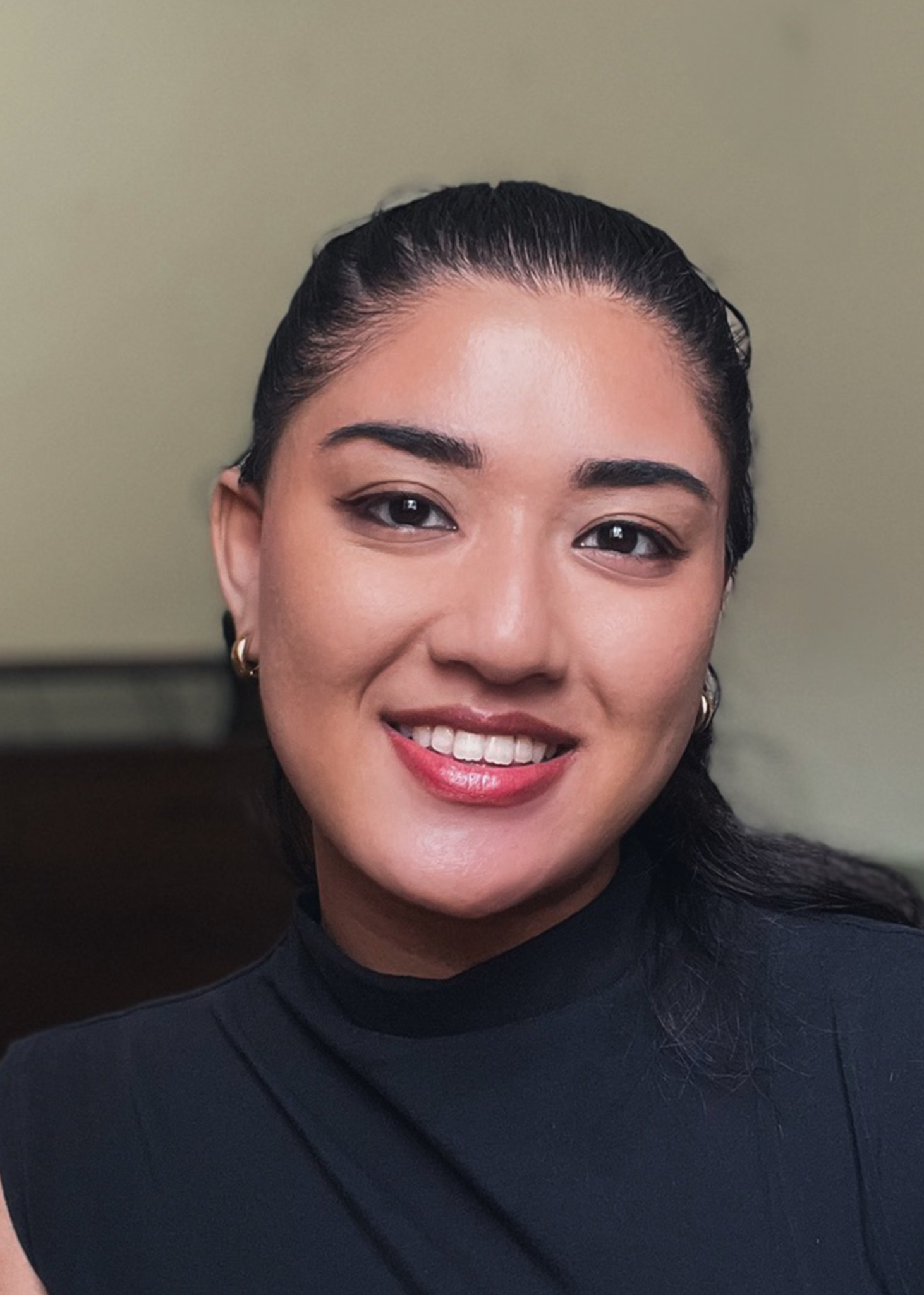
Hi, I'm Aliya
I am currently a Fellow at the Roosevelt House Public Policy Institute and Sorensen Center for International Peace and Justice where I specialize in immigration policy, mass incarceration, international peace building, and human rights. In my final year at Hunter College, I am merging my academic backgrounds in Journalism and Human Rights to research global accountability and freedom of the press.
My previous professional experience in nonprofits, administration, and reporting has supported refugees, abuse survivors, and youth in NYC’s foster care and juvenile justice systems. Whether in my academic or professional work, I use an interdisciplinary approach to bring international frameworks and discussions on human rights to the local or individual level in an effort to help others identify and access justice.
Prior to transferring to Hunter, I studied Journalism and Philosophy at SUNY Purchase where I also served as the Purchase Student Government Association's Chair of Senate, President & Co-Founder of the American Muslim Club, Layout Editor for Submissions Magazine, and contributor to The Beat and The Purchase Phoenix.
During my tenure as Chair of Senate, I created and led Town Hall meetings that sought to promote direct dialogue between Purchase's students and administration, which resulted in major improvements to the university's responsiveness to Title IX cases, dorm maintenance, and the first-ever meal plan change to address affordability and health concerns.
My reporting has been published in The Friday Times, CounterPunch, Your Day Newsletter, Westchester Magazine, Submissions Magazine, The Beat, and The Purchase Phoenix.
Bridging Barriers: How My Background Influences My Journalism and Human Rights Work
My interest in public service was born first out of necessity. As a first-gen Korean-Pakistani American growing up in a town void of an Asian community, my identity manifested itself in rather odd ways. I’ve been mistaken for, discriminated against, and fetishized for just about every “brown” identity you could think of. Within my family, my apparent otherness is just as confusing: I’m the only mixed person in my family and the only one who isn’t fluent in Korean, Urdu, or Punjabi.
As a result, I had to rely primarily on nonverbal forms of communication to make up for the language barrier between me and my family or neighbors. My relationship with my grandmothers was cultivated in literal unspoken moments, passing down generations of recipes and knitting or sewing techniques translated in fluttery hand gestures, cheeky facial expressions, and other social cues.
My constant observation and interpretation of small nuances had a profound impact on how I interact with others - and it’s played a significant role in my academic and professional careers in journalism and human rights.
For instance, growing up with Spanish-speaking neighbors enabled me to understand cultural nuances while working with refugees from South America in 2020. I could easily pick up different phrases or social cues that became crucial in establishing a sense of safety during interviews, which was especially important when they shared deeply personal or traumatic experiences.
I didn’t know the language well, but I understood the flash of pain that struck a person’s face when talking about their journey coming to America. I knew the look of an emotional wall being posted at the risk that the other person who doesn’t share your background might not understand you.
One of the women I had worked with was pregnant at the time of her case. She was separated from her partner by coyotes (smugglers) during their journey from Guatemala to the Mexican-American border in Tijuana. She hadn’t seen a doctor due to the influx of Covid cases at the ICE center and couldn’t confirm her child’s heartbeat until well after her first trimester.
With eye rolls, smirks, and tongue clicks as our common language, I was able to gain her trust as she shared her story for me and a translator to record in psychological evaluations for her and her family’s asylum case, one of the few reports where refugees can fully capture the nature of their situation and the personal impact it’s had on them.
She was granted green card approval and reunited with her partner in time to welcome their health baby boy. All other cases I got to work on were also successfully approved.
In this sense, emotions and observations have their way of breaking barriers where words cannot. As a journalism student, I’ve submerged myself in the business of words, but often find myself relying on my unspoken language skills when reporting.
My multicultural identity and environment serve as seedlings in my journalism and human rights work. It’s allowed me to support others like the woman from Guatemala through means that can’t necessarily be taught in a classroom. But more importantly, it’s allowed me to articulate aspects of human rights that otherwise get drowned out in the information age we live in.
It’s taught me that human rights and peacebuilding are hardly ever about rights and peace itself. They’re about certainty that the tools and institutions designated for affirming people’s rights and peace are able to fulfill their purpose and to be held accountable otherwise.